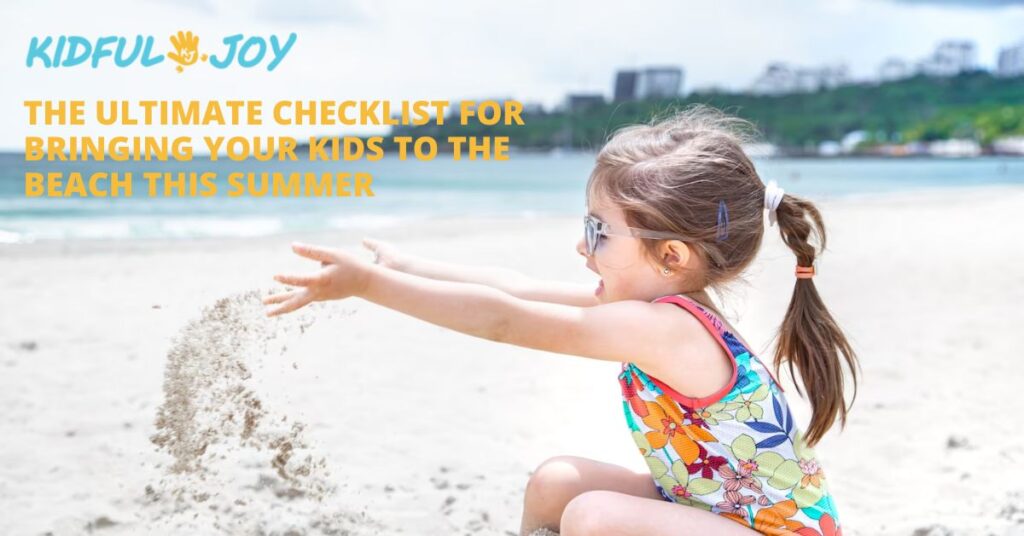
As summer approaches, parents are faced with the challenge of protecting their kids from the sun’s harmful rays. Sunscreen is an essential part of sun protection, but with so many options available, it can be hard to know what’s best for your child. One option that many parents are considering is natural sunscreen. In this article, we’ll explore the pros and cons of natural sunscreen for kids, so you can make an informed decision about how to protect your child’s skin this summer.
What are some common ingredients in sunscreen that can cause skin irritation?
While sunscreen is generally safe for most people, some individuals may experience skin irritation or allergic reactions to certain ingredients. Here are some common ingredients in sunscreen that can cause skin irritation:
- Oxybenzone: This is a common ingredient in many sunscreens, but it can cause skin irritation, especially in individuals with sensitive skin.
- Fragrance: Some sunscreens contain fragrance, which can be irritating to some people’s skin.
- Parabens: Parabens are preservatives that can be found in some sunscreens. They can cause skin irritation in some individuals.
- Retinyl palmitate: This is a form of vitamin A that is sometimes added to sunscreens for its antioxidant properties. However, it can cause skin irritation and may increase the risk of sunburn.
- Methylisothiazolinone (MI): This is a preservative that can be found in some sunscreens. It can cause skin irritation in some individuals and has been linked to allergic reactions.
If you have sensitive skin or are prone to allergies, look for sunscreens that are labelled as “hypoallergenic” or “fragrance-free.” You can also try a patch test on a small area of skin before using a new sunscreen product to see if you have any adverse reactions. If you experience persistent skin irritation or an allergic reaction to sunscreen, consult a healthcare professional.
What is chemical sunscreen?
Chemical sunscreens contain organic (carbon-based) compounds, such as avobenzone, octinoxate, and oxybenzone, which are responsible for the UV-absorbingproperties of the sunscreen. These compounds are generally effective at protecting against both UVA and UVB radiation, but they can break down over time, so it is important to reapply the sunscreen regularly, as directed on the label.
What is Natural Sunscreen?
Natural sunscreen is made from physical blockers like zinc oxide or titanium dioxide, which sit on top of the skin and reflect the sun’s rays. It’s often marketed as a safer alternative to chemical sunscreen, which contains synthetic ingredients that are absorbed into the skin. Natural sunscreen is also better for the environment because it doesn’t contain chemicals that can harm marine life or other wildlife.
What are some natural ingredients that can be used in sunscreen?
There are several natural ingredients that can be used in sunscreen. Here are some examples:
- Zinc oxide: This is a mineral ingredient that provides broad-spectrum protection against both UVA and UVB rays. It’s also gentle on the skin and less likely to cause irritation than some chemical sunscreen ingredients.
- Titanium dioxide: Like zinc oxide, titanium dioxide is a mineral ingredient that provides broad-spectrum protection. It’s also gentle on the skin and less likely to cause irritation.
- Red raspberry seed oil: This natural oil is rich in antioxidants and has been shown to have some sun-protective properties. It’s also moisturizing and can help soothe the skin.
- Carrot seed oil: This oil is high in antioxidants and has some natural sun-protective properties. It’s also moisturizing and can help reduce the appearance of fine lines and wrinkles.
- Green tea extract: This extract is rich in antioxidants and has been shown to have some natural sun-protective properties. It’s also soothing to the skin and can help reduce inflammation.
When using natural sunscreen ingredients, it’s important to remember that they may not provide as much protection as synthetic sunscreen ingredients. It’s also important to follow the instructions on the sunscreen and reapply as directed. If you have sensitive skin or are prone to allergies, be sure to patch test a new sunscreen product before using it on a larger area of skin.
Pros & Cons of Natural Sunscreen for Kids
As a parent, it’s important to consider the pros and cons of natural sunscreen before deciding whether it’s the right option for your child. Natural sunscreen is a popular choice for parents who are concerned about the potential health and environmental risks associated with chemical sunscreen.
One of the biggest advantages of natural sunscreen is that it’s less likely to cause skin irritation or other adverse reactions. Synthetic ingredients in chemical sunscreen can cause allergic reactions or other skin sensitivities, especially in children with sensitive skin. Natural sunscreen is also better for the environment because it doesn’t contain chemicals that can harm marine life or other wildlife.
Another advantage of natural sunscreen is that it’s a good option for parents who prefer to use products with fewer synthetic ingredients. With natural sunscreen, you don’t have to worry about exposing your child to potentially harmful chemicals.
Cons of Natural Sunscreen for Kids
One of the main disadvantages of natural sunscreen is that it can be more difficult to apply and may not provide as much protection as chemical sunscreen. Natural sunscreen tends to be thicker and more difficult to spread evenly on the skin. It can also leave a white or chalky residue on the skin, which may not be aesthetically pleasing for kids. Additionally, natural sunscreen may not provide broad-spectrum protection against both UVA and UVB rays.
Another potential downside of natural sunscreen is that it can be more expensive than chemical sunscreen. Natural sunscreen is often made with high-quality ingredients, which can drive up the price. This can be a barrier for some families, especially those on a tight budget.
It’s important to note that the effectiveness of natural sunscreen ingredients can vary depending on the formulation and the concentration of the active ingredients. Be sure to choose a natural sunscreen product that has been tested and proven to provide adequate sun protection, and follow the instructions on the label for the best results. If you have any concerns or questions about how often to reapply sunscreen or how to choose a product that works for you, consult a healthcare professional or a dermatologist.
The frequency of reapplying natural sunscreen is generally the same as that of synthetic sunscreen. It’s recommended that you reapply sunscreen with natural ingredients every two hours or immediately after swimming, sweating, or towelling off. If you are spending a lot of time outdoors or engaging in physical activity, you may need to reapply more frequently.
Tips for applying sunscreen on kids
Applying sunscreen on kids can be a challenge, but with the right tips and techniques, you can ensure that your child stays safe and comfortable while playing outdoors. Here are some helpful tips and tricks for applying sunscreen on kids to make your summer adventures worry-free!
- Apply sunscreen 15-30 minutes before going outside to allow the skin to absorb it properly.
- Use enough sunscreen to cover all exposed skin, including the face, ears, neck, arms, and legs. A good rule of thumb is to use about one ounce (enough to fill a shot glass) for a child’s entire body.
- Reapply sunscreen every two hours or immediately after swimming or sweating, even if the sunscreen is labelled as “water-resistant.”
- Encourage kids to wear protective clothing, such as a wide-brimmed hat and sunglasses, in addition to using sunscreen.
- Be extra careful when applying sunscreen around the eyes and mouth, and avoid getting sunscreen in the eyes.
- Teach kids to be patient and wait for the sunscreen to dry before getting dressed or going in the water.
- Use a sunscreen stick or spray for hard-to-reach areas, such as the back, but make sure to rub it in thoroughly.
- Make sunscreen application fun by involving your child in the process, such as letting them help apply it to their own arms and legs. You can also sing a song or play a game while applying sunscreen. This will help your child associate sunscreen with positive experiences and make it easier to apply in the future.
- Set a good example by wearing sunscreen yourself, so kids understand the importance of sun protection.
How to apply sunscreen on kids
Choosing the right type of sunscreen is only one aspect of sun protection for kids. Proper application is equally important to ensure that the sunscreen is effective. By following these steps, you can help keep your child safe from the harmful effects of the sun.
- Begin by applying sunscreen to the face, starting with the nose, cheeks, and forehead. Be sure to cover all areas, including the ears and neck.
- Apply sunscreen to the arms and legs, making sure to cover all exposed areas. Don’t forget the tops of the feet and the backs of the knees.
- Apply sunscreen to the back and chest, making sure to cover all areas.
- If your child is wearing a bathing suit, be sure to apply sunscreen to any areas that will be exposed when the bathing suit moves or shifts.
- Pay special attention to areas that are more vulnerable to sunburn, such as the nose, ears, shoulders, and tops of the feet.
When it comes to protecting your child’s skin from the sun, there’s no one-size-fits-all solution. Natural sunscreen can be a good option for parents who prefer to use products with fewer synthetic ingredients, but it may not provide as much protection as chemical sunscreen. It’s important to choose a sunscreen that is specifically formulated for children and provides broad-spectrum protection against both UVA and UVB rays. By following these tips, you can help your child enjoy a safe and fun summer in the sun.