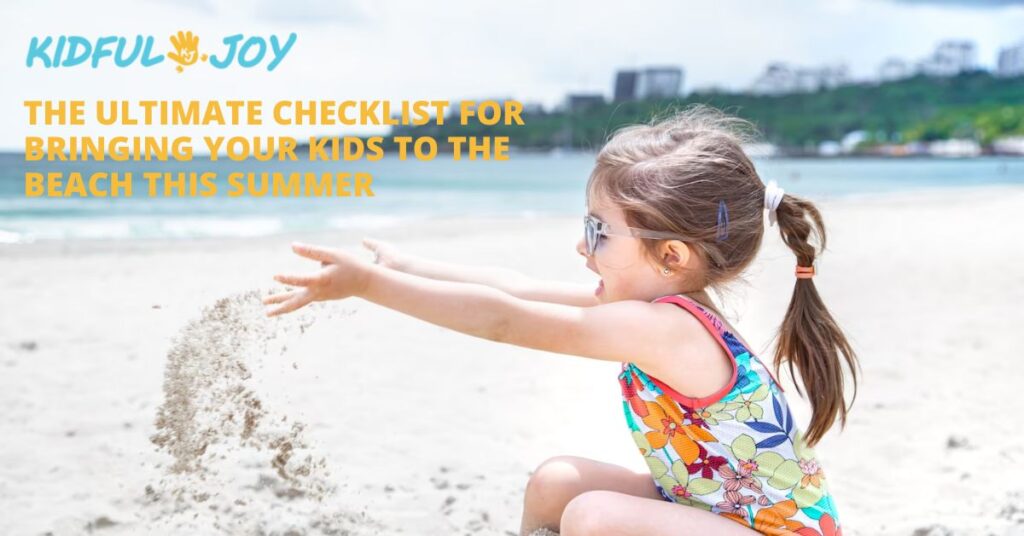
Summer camp is a great way for kids to have fun, make new friends, and learn new skills. However, it’s important that parents take steps to protect their children’s skin from the sun during outdoor activities. Sun protection is essential for preventing sunburns, reducing the risk of skin cancer, and keeping skin healthy and youthful-looking. In this article, we’ll share information about sun protection and some tips for sun safety at summer camps.
Misconceptions about sun protection
Misconceptions about sun protection can be dangerous and lead to sunburn and other skin damage. It’s important to educate yourself on sun safety and to take steps to protect your kids’ skin every day.
- Only fair-skinned people need sunscreen: People with all skin types can get sunburned and develop skin cancer. Everyone, regardless of skin color, should use sunscreen and take other steps to protect their skin from the sun.
- You don’t need sunscreen on cloudy days: Even on cloudy days, the sun’s harmful UV rays can penetrate through the clouds and cause damage to your skin. It’s important to wear sunscreen every day, regardless of the weather.
- Sunscreen is all you need to protect your skin: While sunscreen is an important part of sun protection, it’s not the only thing you should do. Wearing protective clothing, seeking shade, and avoiding tanning beds are all important steps to take to protect your skin from the sun.
- A higher SPF sunscreen is always better: While a higher SPF sunscreen can provide more protection against the sun’s harmful UV rays, it’s important to remember that no sunscreen can provide 100% protection. It’s also important to follow the instructions on the sunscreen and reapply as directed, regardless of the SPF level.
- You only need to apply sunscreen once a day: Sunscreen should be reapplied every two hours, or more often if you are swimming or sweating. It’s also important to apply enough sunscreen to cover all exposed skin.
Understanding SPF and UVA/UVB protection
Understanding SPF and UVA/UVB protection is crucial in protecting your child’s skin at summer camp and preventing sun damage and reducing the risk of skin cancer.
SPF stands for Sun Protection Factor and is a measure of how well a sunscreen product protects the skin from UVB rays, which are responsible for sunburn and skin cancer. The higher the SPF number, the more protection a sunscreen offers. For example, an SPF 30 sunscreen can block about 97% of UVB rays. It is important to note that no sunscreen can provide 100% protection, so it is still essential to seek shade and wear protective clothing.
UVA rays are also harmful and can cause skin ageing and contribute to skin cancer. Look for sunscreens that offer broad-spectrum protection, which means they protect against both UVA and UVB rays. The best way to protect your child’s skin from UVA and UVB rays is to use sunscreen with an SPF of 30 or higher and reapply it every two hours or after swimming or sweating.
Signs and long-term effects of sunburn
Sunburn is a common skin condition that occurs when the skin is exposed to the sun’s UV rays for an extended period.
- Redness: The skin may appear red and inflamed.
- Pain and tenderness: The affected area may be painful and tender to the touch.
- Itching: Sunburned skin can be itchy and uncomfortable.
- Blisters: In severe cases, blisters may form on the skin.
Severe sunburns can have long-term effects on the skin, increasing the risk of skin cancer and other skin damage. Here are some of the long-term effects of severe sunburns:
- Skin cancer: Severe sunburns, especially during childhood or adolescence, can increase the risk of developing skin cancer later in life. The risk is highest for people who have had multiple severe sunburns.
- Premature ageing: Exposure to UV rays can cause premature ageing of the skin, including wrinkles, age spots, and a rough, leathery texture.
- Eye damage: UV rays can also damage the eyes, increasing the risk of cataracts, macular degeneration, and other eye diseases.
- Immune system suppression: Severe sunburns can suppress the immune system, making it harder for the body to fight off infections and diseases.
Treatment of sunburn
If you suspect you have sunburn, here are some tips on how to treat it:
- Get out of the sun: If you notice signs of sunburn, get out of the sun immediately to prevent further damage to your skin.
- Cool the affected area: Take a cool bath or shower, or apply a cool compress to the affected area to help reduce inflammation and pain.
- Moisturize: Apply aloe vera or an unscented moisturizer to the affected area to soothe the skin and prevent peeling.
- Take pain relievers: Over-the-counter pain relievers like ibuprofen or acetaminophen can help reduce pain and inflammation.
- Stay hydrated: Drink plenty of water to help rehydrate your skin and prevent further damage.
- Avoid further sun exposure: Stay out of the sun until your sunburn has healed to prevent further damage to your skin.
It’s important to note that severe sunburn can require medical attention. If you experience severe pain, blisters, or fever, seek medical attention right away.
Tips for sun safety
To prevent these long-term effects, it’s important to take precautions for your kids when spending time outdoors. Here are some tips and strategies for sun safety that you can follow so your kids could enjoy the benefits of the sun while minimizing the risks.
Tip #1: Choose the Right Sunscreen
One of the most important things you can do to protect your child’s skin from the sun is to choose the right sunscreen. Look for a broad-spectrum sunscreen that protects against both UVA and UVB rays, and has an SPF of at least 30. It’s also a good idea to choose a sunscreen that is water-resistant and fragrance-free, especially if your child has sensitive skin.
When applying sunscreen, be sure to use enough to cover all exposed skin, including the face, ears, and neck. Don’t forget the tops of the feet, which can easily get burned. Reapply sunscreen every two hours, or immediately after swimming or sweating.
Tip #2: Dress Your Child Appropriately
Another important way to protect your child’s skin from the sun is to dress them appropriately. Choose lightweight, breathable clothing that covers as much skin as possible. Long-sleeved shirts, long pants, and wide-brimmed hats are all good choices.
If your child will be swimming or participating in water activities, look for rash guards or swim shirts that provide sun protection. These are designed to be worn in the water and can help protect your child’s skin from the sun’s harmful rays.
Tip #3: Seek Shade
During the hottest part of the day, typically between 10 a.m. and 4 p.m., seek shade whenever possible. Set up a canopy or umbrella at your child’s campsite, or encourage them to take breaks under a tree or other shaded area. This will help reduce their exposure to the sun and keep them cooler in the process.
Tip #4: Teach Your Child About Sun Safety
Teaching your child about sun safety is an important step in protecting their skin from the sun. Talk to them about the importance of wearing sunscreen, dressing appropriately, and seeking shade during the hottest part of the day. Encourage them to take breaks in the shade regularly and to drink plenty of water to stay hydrated.
You can also lead by example. Wear sunscreen and protective clothing yourself, and seek shade whenever possible. This will show your child that sun safety is important for everyone.
Tip #5: Be Prepared for Emergencies
Despite your best efforts, your child may still get a sunburn or other sun-related injury at summer camp. Be prepared for emergencies by packing a first-aid kit that includes sunburn relief products like aloe vera gel or hydrocortisone cream. You may also want to pack a hat or other protective clothing in case your child forgets to bring theirs.
Protecting your child’s skin from the sun is essential for preventing sunburns, reducing the risk of skin cancer, and keeping skin healthy and youthful-looking. By choosing the right sunscreen, dressing your child appropriately, seeking shade, teaching your child about sun safety, and being prepared for emergencies, you can help ensure that your child has a safe and enjoyable summer camp experience.